Tampa's Historic Cemeteries
Discover the stories, heritage, and legacies preserved in Tampa's most significant burial grounds
where the city's diverse communities have laid their loved ones to rest for more than 170 years.
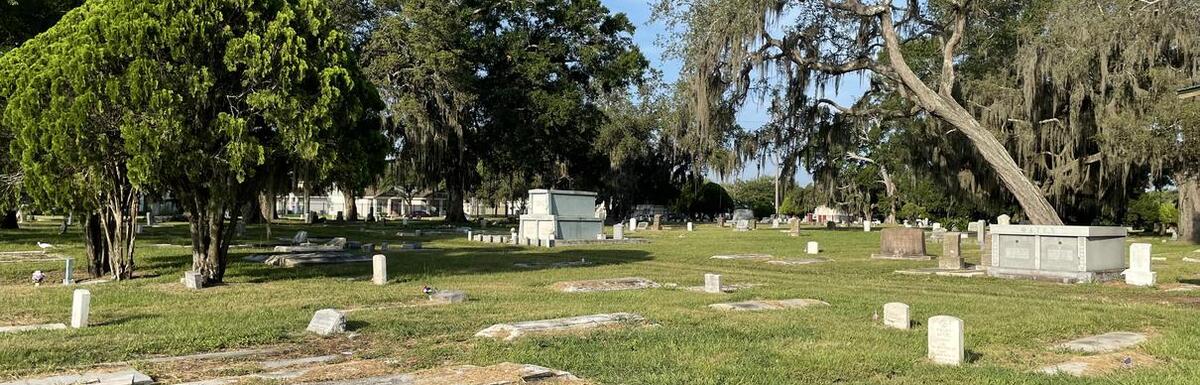

Discover the stories, heritage, and legacies preserved in Tampa's most significant burial grounds
where the city's diverse communities have laid their loved ones to rest for more than 170 years.

These sacred grounds tell the complex story of Tampa's growth, from its earliest pioneer families to the vibrant multicultural communities that define the city today. Each cemetery reflects the social, cultural, and historical forces that shaped Tampa, offering visitors a profound connection to the past while honoring those who built our city.
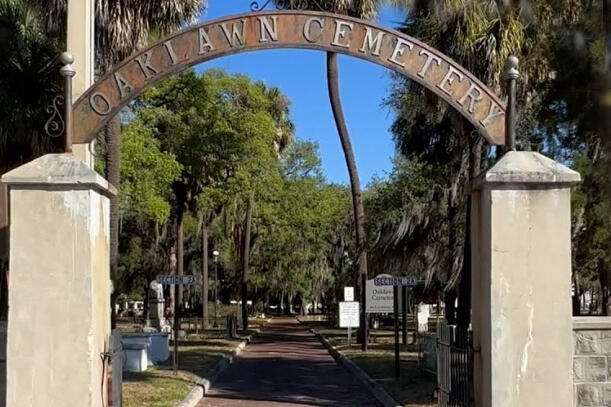
Tampa's first public cemetery (1850) represents every level of society, from enslaved people to governors. Adjacent to St. Louis Catholic Cemetery.
Location: Morgan and Harrison Streets, Downtown Tampa
Established: 1850
Burials: ~1,700 known
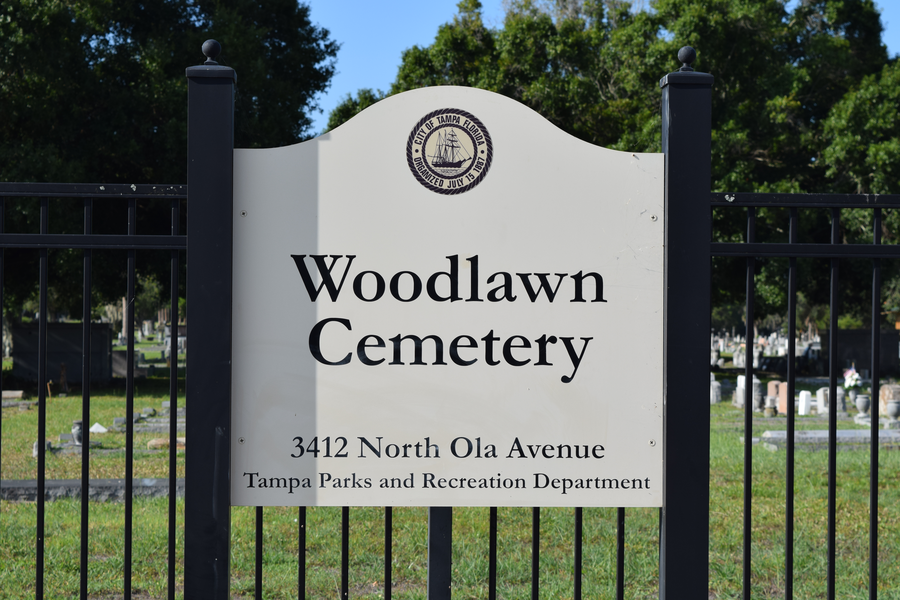
Tampa's second municipal cemetery (1888) spans 40 acres and includes six separate burial grounds, including Jewish, Spanish, and carnival worker sections.
Location: West Indiana Ave & North Ola Ave, Tampa Heights
Established: 1888
Burials: Thousands across multiple sections
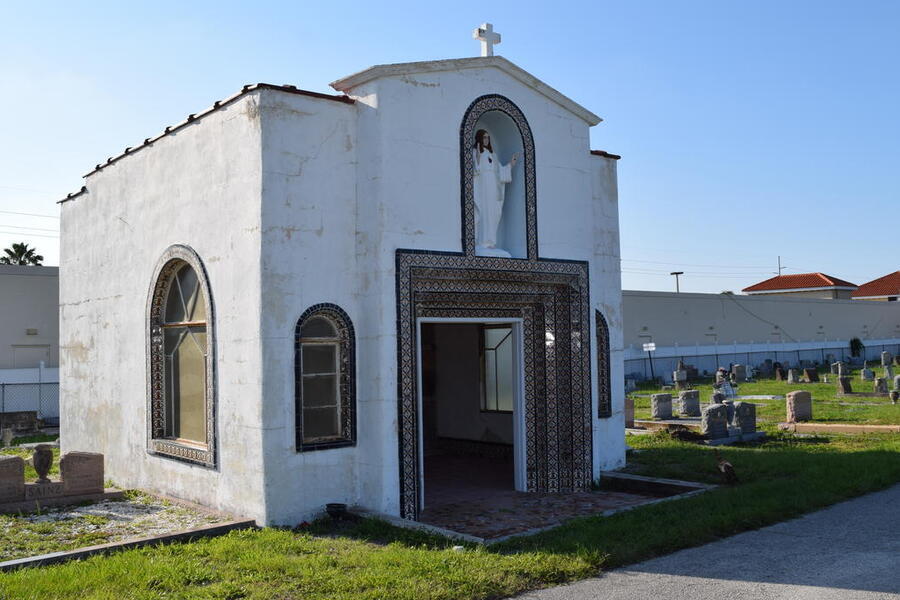
Originally West Tampa Cemetery (1896), this cemetery honors José Martí and features headstones with decorative tile reflecting West Tampa's immigrant heritage.
Location: 3110 West Columbus Drive
Established: 1896
Notable for: West Tampa pioneer families
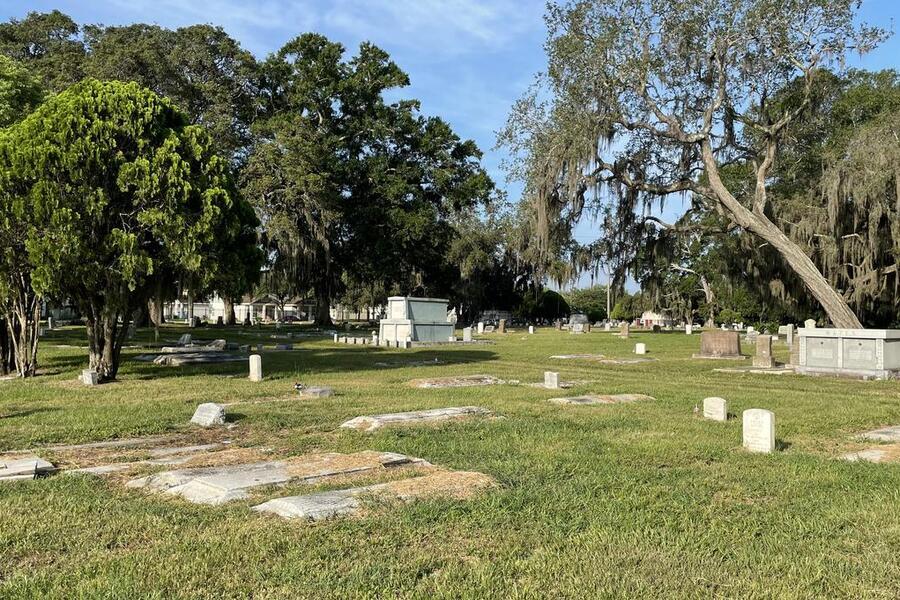
Established in 1919 for African American WWI veterans, this 20-acre cemetery became the primary burial ground for Tampa's Black community during the segregation era.
Location: MLK Jr. Blvd & North 22nd Street
Established: 1919
Burials: Nearly 20,000 known


Tampa's historic cemeteries serve as peaceful sanctuaries where the city's diverse communities have honored their departed for generations. From Oaklawn's establishment in 1850 as the city's first public burial ground to Memorial Park's creation during the segregation era, these sacred spaces reflect the social dynamics, cultural traditions, and historical challenges that shaped Tampa.
During the 19th and early 20th centuries, cemetery placement and access often reflected the racial and ethnic divisions of the time. Yet within these constraints, communities created meaningful spaces that honored their heritage, from the decorative Cuban tile work in Martí-Colon to the military honors preserved at Memorial Park.
Today, these cemeteries stand as important historical resources, offering visitors insight into Tampa's multicultural past while serving as places of reflection and remembrance for the families and communities who continue to care for these sacred grounds.
