Built to Last
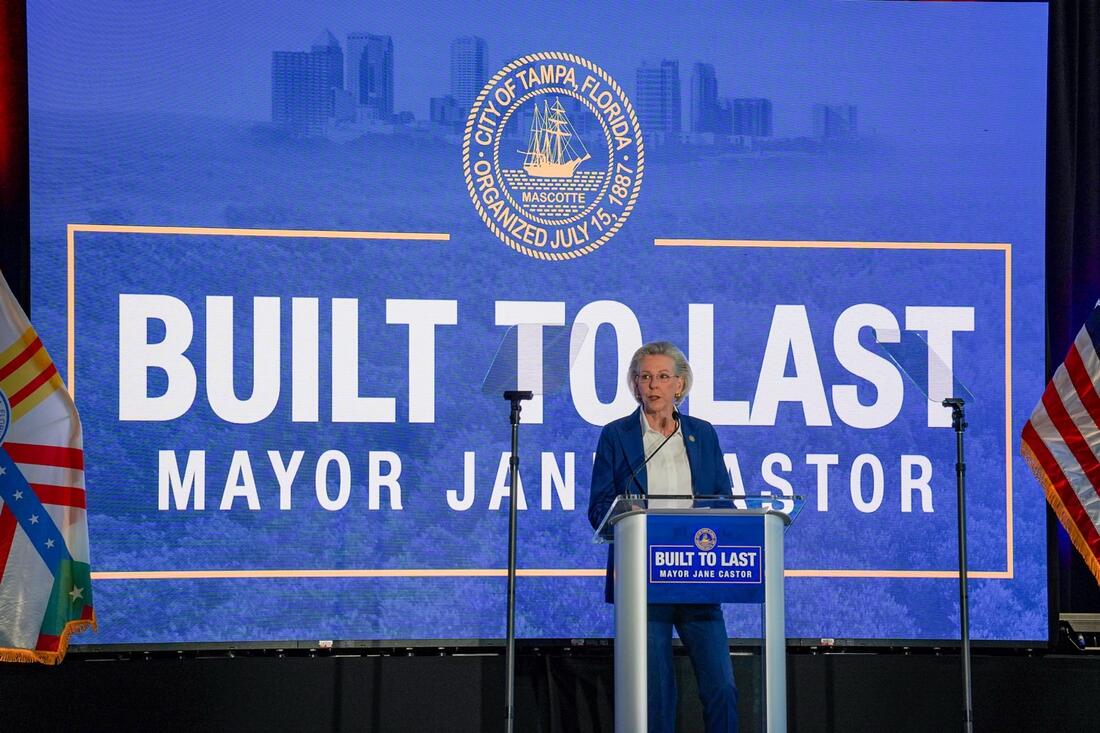
Delivering her 2026 State of the City address from Tampa’s newest community centerpiece—the Fair Oaks Recreation Complex in East Tampa—Mayor Jane Castor made her message clear: invest in the fundamentals to keep Tampa’s momentum strong for years to come.
"Before you can sustainably grow a city, you have to strengthen its foundation," said Mayor Castor, addressing a packed gymnasium while highlighting the unprecedented number of major projects her administration has launched since 2019.
"For too long, cities across the nation put off the hard work—the infrastructure beneath our streets, the systems people don’t see until something breaks," she said. "We chose a different path."
With one year remaining in her second term, Mayor Castor reinforced her mission: ensure Tampa is Built to Last. From critical underground utilities to nationally recognized parks and high-quality affordable housing, her administration and City Council members have focused on tackling the city’s toughest challenges with long-term solutions.
Public Amenities
The address was held at one of Tampa’s newest investments in quality of life—Fair Oaks Park, a $34.7 million recreation complex designed for all ages. The facility delivers long-awaited amenities for East Tampa residents, including basketball courts, pickleball, senior programming, and after-school and summer camps.
Just blocks away along Hillsborough Avenue, the City’s Hanna Avenue City Center—opened in 2023—serves as a one-stop hub for residents. The 161,000-square-foot facility was recently named the Best Project in Florida by the U.S. Green Building Council for its sustainability features.
Together, Fair Oaks and City Center represent a historic level of investment in East Tampa—expanding access, opportunity, and services in a community that has long been underserved.
Infrastructure
At the David L. Tippin Water Treatment Plant—now celebrating 100 years—hundreds of millions of dollars in upgrades are underway through the $3 billion PIPES Program, approved in 2019 with support from Tampa City Council. These improvements ensure Tampa’s water system not only meets today’s needs, but leads in innovation.
A new treatment process to remove harmful "forever chemicals" is currently in development—positioning Tampa among the first cities in the country to deploy this technology at scale.
Through PIPES, the City has replaced more than 78 miles of aging water lines and rehabilitated over 200 wastewater pipes—reducing leaks, preventing sinkholes, and avoiding costly system failures.
Affordable Housing
Since 2019, the City has invested more than $100 million to tackle the affordable housing challenge, including 8,300 new, affordable homes for residents who might otherwise be priced out of Tampa.
Developments like West River, The Marquee, Bel-Mar, Rome Yards, Robles Park, and the Army-Navy site in north downtown are redefining affordable housing—delivering high-quality living spaces in the neighborhoods where people want to live and work.
The City is also supporting homeownership, with qualifying first-time buyers receiving down payment assistance and existing homeowners benefiting from critical repairs—some exceeding $100,000.
Transportation
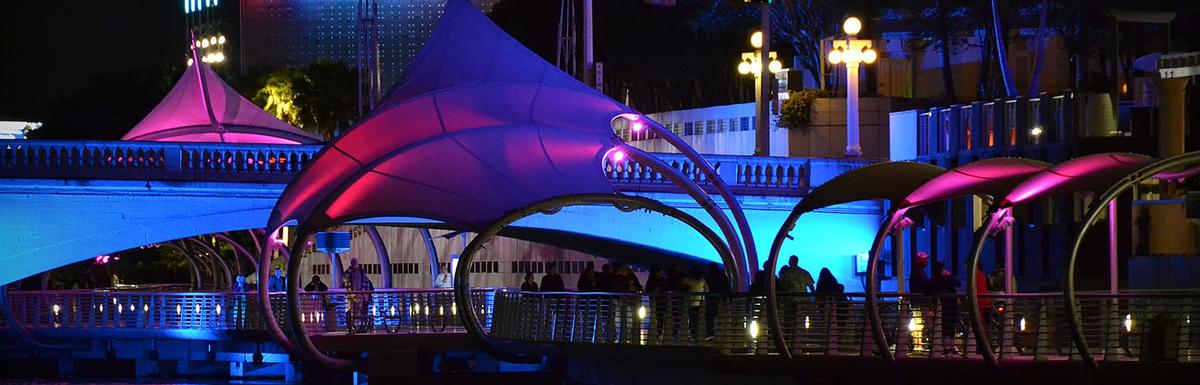
Improving how residents move through Tampa remains a top priority. Progress continues with record paving in 2025, expansion of the Green Spine Cycle Track, enhanced ferry service across the bay, and the continued extension of the Riverwalk.
While transportation challenges remain—particularly funding constraints and the long timelines required for major projects—the City, alongside local, state, and federal partners, is pushing forward to deliver more connections and more options.
Public Safety
Public safety remains the foundation of Tampa’s success. The city continues to rank among the safest in the nation, with overall crime dropping approximately 20% last year and both violent and nonviolent crime at some of their lowest levels in years.
This progress is driven by the dedication of the Tampa Police Department and its strong community relationships.
Tampa Fire Rescue is also expanding its reach, with a new station in New Tampa, additional personnel, six new rescue ambulances, and the deployment of a new marine vessel—the Black Eagle—enhancing response capabilities on Tampa’s waterways.
Climate Resilience
As Tampa faces a record drought and increasing climate pressures, the City is taking a proactive, solutions-driven approach.
Major stormwater improvements are underway along Manhattan Avenue, while MacDill 48—completed in 2024—combines flood mitigation with public green space. Across the city, wastewater pump station upgrades are strengthening system reliability and preventing overflows.
Mayor Castor closed her address with a reminder: while significant progress has been made, the work continues.
Some projects will extend beyond her time in office—but the mission remains the same: ensuring Tampa is built to last.
"What we’re building isn’t temporary. It’s not reactive. It’s not for headlines. It’s built to last. Built for our residents. Built for our neighborhoods. Built for the future of this city," she said. "Because the story of Tampa has always been a story of people who believe in this city and work together to make it stronger."