

City of Tampa Nears Goal of
Creating 10,000 Affordable Units
The City of Tampa is approaching a major milestone in Mayor Jane Castor’s goal of creating 10,000 affordable housing opportunities during her administration, a benchmark that reflects the city’s multi-faceted strategy to ensure Tampa’s growth benefits residents at every income level.
Since 2019, more than 23,000 residential units have been added citywide, with more than 8,300 affordable housing units either completed or currently underway. The city has invested more than $100 million in affordable housing initiatives and housing assistance programs aimed at expanding access to housing while helping longtime residents remain in the communities they call home.
"Our approach to affordable housing has never been one-dimensional," said Mayor Castor. "It’s about creating new housing opportunities, supporting developments in the pipeline, and helping residents stay safely and affordably in their homes as they age. Tampa’s growth must work for everyone."
Major redevelopment projects including Rome Yards, West River, Marquee Square, and North Downtown are reshaping housing opportunities across the city. At the Army/Navy redevelopment site in North Downtown alone, more than 1,100 units will be added, with more than 700 of those secured for income-eligible households.
The city’s progress toward the 10,000-home goal includes both completed housing units and developments currently in the planning and construction pipeline. To date, approximately 4,100 affordable units have been completed, with another 4,000 units in active development stages.
But affordable housing is not only about new construction — it is also about preserving existing homes and allowing residents to age in place with dignity and safety.
That mission is exemplified by East Tampa resident Carlton Mallard.
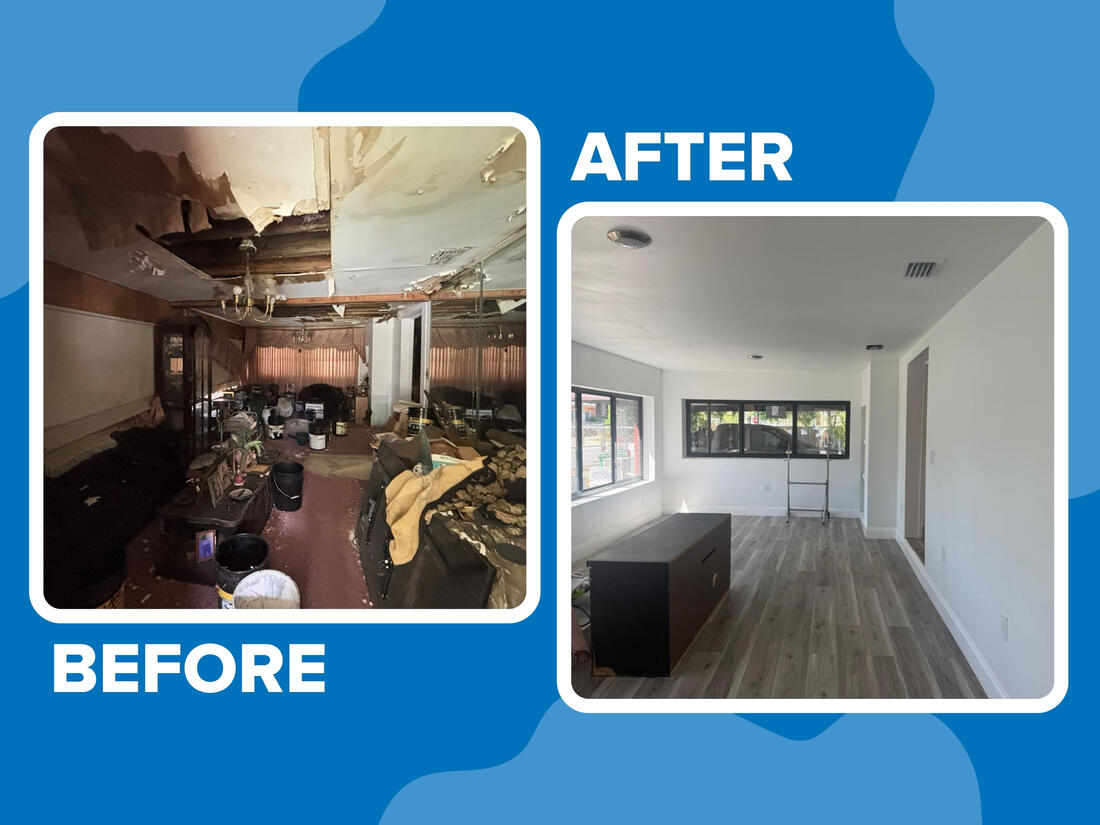
Mr. Mallard recently returned to the home his father purchased in 1950 after receiving more than $147,000 in renovations through the City’s Housing Rehabilitation and Renovation Program. For decades, Mr. Mallard lived without air conditioning and relied on boiling water for baths. In 2025, electrical issues left him without power for four months after a blown fuse, and much of the work completed on the home over the years had never been permitted.
Today, his home has been fully transformed.
The rehabilitation included a new roof, hurricane-impact windows and doors, updated electrical systems, complete plumbing replacement, bathroom renovations, new flooring and cabinets, lead paint remediation, HEPA cleaning of all surfaces, and the installation of air conditioning and a hot water tank.
"Now Carlton Mallard can finally obtain homeowners insurance and continue living safely in the neighborhood his family has called home for generations," said Abbye Feeley, administrator for Development and Economic Opportunity for the City of Tampa. "This is what housing affordability looks like in practice."
City leaders say programs like these are critical to ensuring longtime Tampa residents are not left behind as the city continues to grow. The HRRP Program offers income-qualified Tampa homeowners with financial assistance to repair and maintain safe homes. The program is set to accept more applications starting in mid-June via the city’s online portal.